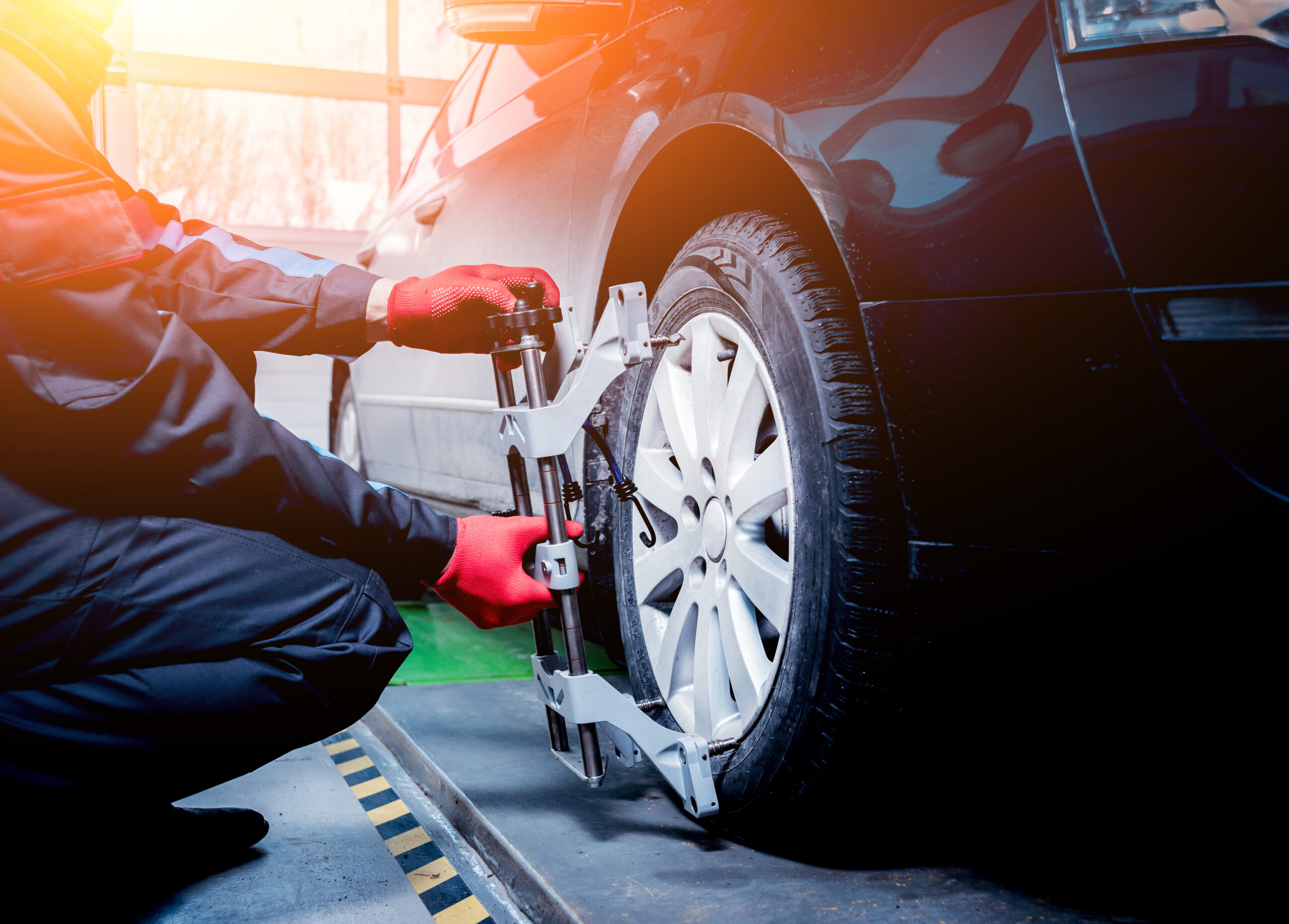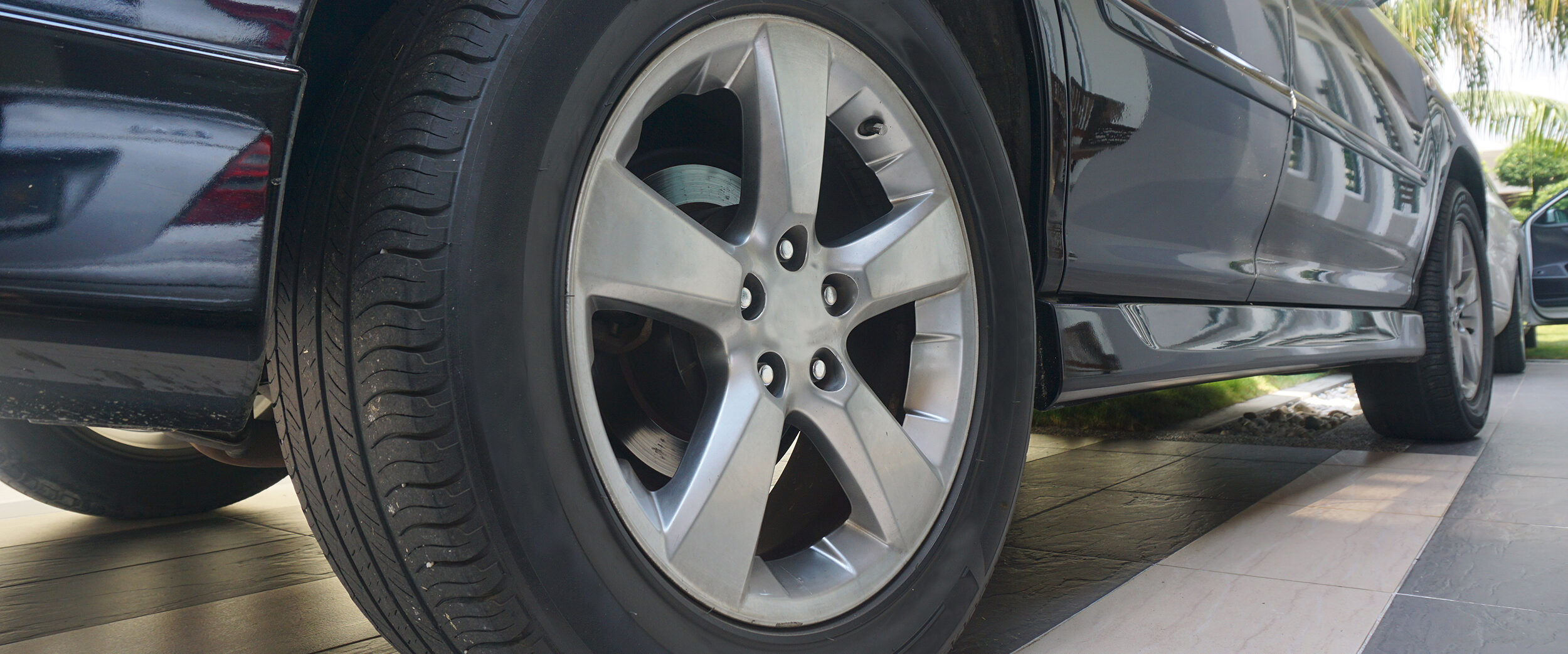
Your European vehicle is built for precise handling, smooth steering, and confident road feel. When the wheels are not aligned properly, even a small change can affect tire wear, steering control, ride comfort, and overall drivability.
At Rocco’s European Garage, we provide European wheel alignment service for drivers across Metro Atlanta. Our mechanics work on BMW, Mercedes-Benz, Audi, Porsche, Volkswagen, Land Rover, Jaguar, Volvo, MINI, and other European makes. Whether your vehicle is pulling to one side, the steering wheel is off center, or your tires are wearing unevenly, we can inspect the issue and help restore proper alignment.
Alignment is not just about keeping the steering wheel straight. It helps your tires meet the road correctly, which supports handling, braking stability, and tire life.
Schedule wheel alignment service!
Why Wheel Alignment Matters
Wheel alignment refers to the angles and positions of your wheels relative to your vehicle and the road. When those angles are off, your tires may drag, scrub, or wear unevenly as you drive.
European vehicles often have precise suspension geometry, performance-focused handling, and model-specific alignment requirements. Proper alignment helps keep the vehicle driving as it was designed to.
Driving in Metro Atlanta can also affect alignment over time. Potholes, curbs, construction zones, speed bumps, worn suspension parts, and daily commuting can all shift alignment angles or reveal existing issues.
Signs Your European Vehicle Needs a Wheel Alignment
Schedule an alignment inspection if your vehicle no longer tracks straight, your steering feels different, or your tires are wearing unevenly.
Common signs include:
- Vehicle pulling to one side
- Steering wheel off center
- Uneven tire wear
- Steering wheel vibration
- Vehicle drifting on straight roads
- Tires squealing during turns
- Recent pothole or curb impact
- New tires wearing too quickly
- Poor handling or road feel
If your vehicle pulls sharply, feels unstable, or has severe vibration, the issue may involve tires, suspension, steering, brakes, or another system. An inspection can help confirm the cause.
What Wheel Alignment Service Checks
Wheel alignment service focuses on the angles that affect how your tires contact the road. These angles can vary by vehicle design, suspension condition, and manufacturer specifications.
Camber
Camber is the inward or outward tilt of the tire when viewed from the front of the vehicle. Incorrect camber can cause uneven wear on the inner or outer edge of the tire.
Toe
Toe refers to whether the tires point slightly inward or outward when viewed from above. Incorrect toe is one of the most common causes of rapid tire wear and pulling.
Caster
Caster affects steering stability and the steering wheel’s return to center after a turn. When caster is off, the vehicle may feel unstable or difficult to control.
Steering wheel position
An alignment can help correct an off-center steering wheel when the issue is caused by alignment angles and not worn parts.
Suspension condition
Alignment settings may not hold properly if suspension or steering parts are worn. That is why related components should be checked before or during alignment service.
Alignment vs. Tire Balancing
Wheel alignment and tire balancing are different services, but both can affect how your vehicle feels on the road.
Wheel alignment adjusts the angles of the wheels so the tires meet the road correctly. It helps with pulling, drifting, off-center steering, and uneven tire wear.
Tire balancing corrects weight distribution around the tire and wheel assembly. It helps reduce vibration, especially at certain speeds.
If your vehicle pulls to one side, alignment may be the issue. If your steering wheel shakes at highway speeds, it may be due to tire balance or another tire-related issue. If symptoms overlap, our mechanics can inspect the vehicle and recommend the right next step.
Why European Vehicles Need Model-Specific Alignment
Many BMW, Mercedes-Benz, Audi, Porsche and Volkswagen models use multi-link suspension with adjustable rear geometry, so alignment is set at all four wheels, not just the front. The correct angles can differ by model, wheel and tire size, and suspension package. A generic setting can leave the car pulling or wearing tires unevenly even when the readings look close.
- Four-wheel alignment: rear camber and toe affect tire wear and stability as much as the front settings do.
- Sport and performance packages: lowered suspensions and staggered wheel and tire setups usually have their own alignment specifications.
- Air suspension: the vehicle has to sit at the correct ride height before alignment angles are measured. Learn more about our suspension and steering service, including air suspension.
That is why our process starts with an inspection of related suspension and steering parts, then adjusts to the specifications for your specific vehicle, so the alignment holds.
What Happens If You Delay Wheel Alignment?
Driving with poor alignment can shorten tire life and make your vehicle harder to control. Since uneven tire wear can happen gradually, many drivers do not notice the problem until the tires are already damaged.
Delaying alignment service can lead to:
- Uneven tire wear
- Shorter tire life
- Pulling or drifting
- Poor steering control
- Reduced fuel efficiency
- Vibration or road noise
- Stress on suspension parts
- More frequent tire replacement
If you recently replaced tires, repaired suspension parts, or hit a pothole, an alignment check can help protect your investment.
Wheel Alignment for European Makes
Rocco’s European Garage provides wheel alignment services for European luxury, performance, and daily-driven vehicles. Each make has its own suspension design, handling feel, and alignment specifications.
We provide European wheel alignment service for:
Whether you drive a BMW with uneven tire wear, a Mercedes-Benz pulling to one side, an Audi with off-center steering, or a Porsche that needs precise handling restored, our mechanics can help.
Our Wheel Alignment Process
1. We review your driving concern
We start by asking what you have noticed, such as pulling, drifting, vibration, uneven tire wear, or off-center steering.
2. We inspect related components
Our mechanics check tire wear patterns, visible suspension condition, steering components, and other possible causes of alignment symptoms.
3. We measure alignment angles
We compare your vehicle’s alignment angles to the appropriate specifications for your make and model.
4. We make needed adjustments
When adjustment is possible and appropriate, we correct the alignment angles to help restore steering control and tire contact.
5. We explain any related concerns
If worn tires, suspension issues, steering concerns, or brake problems are contributing to the symptoms, we explain what needs attention.
Related Services
Suspension and steering
Alignment issues often stem from worn suspension or steering components. If your vehicle is clunking, wandering, or wearing tires unevenly, our suspension and steering service can help identify the cause.
Brake repair
Pulling, shaking, or vibration can sometimes occur during braking rather than under normal driving conditions. If your symptoms are most noticeable when stopping, our brake repair service may be the right place to start.
European diagnostics
Some European vehicles use electronic steering, suspension sensors, or driver assistance systems that may require additional testing. Our European diagnostics service can help when warning messages or system faults appear.
Wheel Alignment FAQs
What are the signs that my vehicle needs a wheel alignment?
Common signs include pulling to one side, an off-center steering wheel, uneven tire wear, drifting, tire squealing, poor handling, or new tires wearing faster than expected.
How often should European vehicles get a wheel alignment?
Alignment should be checked when you notice symptoms, after replacing tires, after suspension or steering repairs, or after hitting a pothole or curb. Some drivers also include alignment checks as part of routine tire and suspension maintenance.
Can bad alignment damage my tires?
Yes. Poor alignment can cause uneven tire wear and shorten tire life. In some cases, tires may become damaged long before the tread should normally be worn out.
Is wheel alignment the same as tire balancing?
No. Alignment adjusts wheel angles to improve tire contact and steering control. Tire balancing corrects weight distribution in the tire and wheel assembly to reduce vibration.
Why does my car still pull after an alignment?
Pulling can also be caused by tire issues, brake problems, suspension wear, steering concerns, road crown, or uneven tire pressure. If the vehicle still pulls, the related systems should be inspected.
Do I need an alignment after replacing tires?
It is often recommended to check alignment when installing new tires. Proper alignment helps protect the new tires from uneven wear.
Can worn suspension affect alignment?
Yes. Worn suspension or steering parts can prevent alignment settings from holding properly. Those parts may need repair before or along with alignment service.
Does Rocco’s European Garage provide wheel alignment for BMW, Mercedes-Benz, Audi, and Porsche?
Yes. Rocco’s European Garage provides European wheel alignment service for BMW, Mercedes-Benz, Audi, Porsche, Volkswagen, Land Rover, Jaguar, Volvo, MINI, and other European makes.
Schedule European Wheel Alignment in Metro Atlanta
If your European vehicle is pulling, drifting, wearing tires unevenly, or no longer feels as precise as it should, schedule a wheel alignment inspection. Rocco’s European Garage can check the alignment, inspect related components, and help protect your tires and handling.
Visit the Rocco’s European Garage location nearest you for European wheel alignment in Metro Atlanta.